





Trending
Now
Embrace the new season with the styles defining today’s fashion scene.
Buy 3, Get 3 Free
Matchy Socks
Men’s Edit
In the complex landscape of modern dress, the integration of traditional accessories into current trends can be a challenge. Sheer leg coverings, a garment that has witnessed centuries of fashion evolution, are a prime example. Once a mandatory component of formal and professional attire, they are now embraced as a deliberate style choice, a means of injecting texture, personality, and a touch of vintage charm into a contemporary wardrobe. This exploration focuses on how to effectively utilize this sophisticated item to elevate and modernize an ensemble.
The successful use of sheer legwear in the current fashion climate hinges on the principle of precision. The choice must be intentional, moving away from the obligation of past decades toward a creative addition. This begins with the selection of denier—the measure of the fabric’s thickness. A lower denier creates the most delicate, subtle effect, perfect for evening wear or when a seamless transition is desired. Conversely, a higher denier introduces more visible color and structure, transforming the item from a supporting layer into a noticeable textural element.
The finish is another critical detail. A high-gloss or shimmery finish reflects light dramatically, lending itself well to artistic or high-drama looks, often paired with sleek, tailored pieces to amplify the contrast. A matte finish, however, absorbs light, providing a grounded, modern foundation that works beautifully with chunky knits, oversized blazers, or minimalist silhouettes. The ability to manipulate light and texture through this single garment offers the wearer a powerful, yet understated, means of stylistic control.
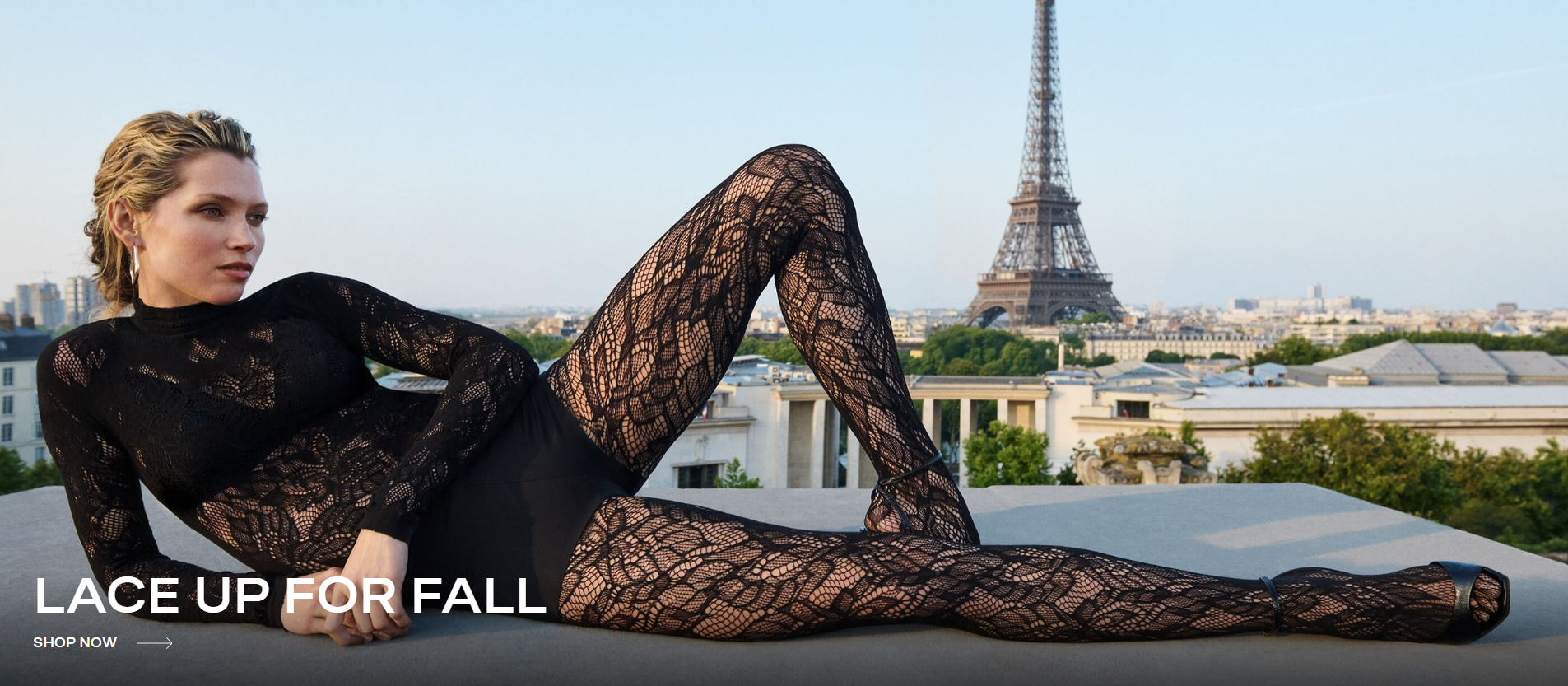
While classic sheer tones remain perpetually relevant, the modern approach enthusiastically embraces pattern and color. A finely patterned item—such as tiny dots, subtle fishnet weaves, or minimal geometric prints—can inject an unexpected layer of interest without overwhelming the rest of the outfit. When opting for patterns, it is often best to keep the rest of the ensemble relatively neutral or monochromatic, allowing the legwear to serve as the visual focal point. This creates a balance where the accessory is celebrated rather than competing for attention.
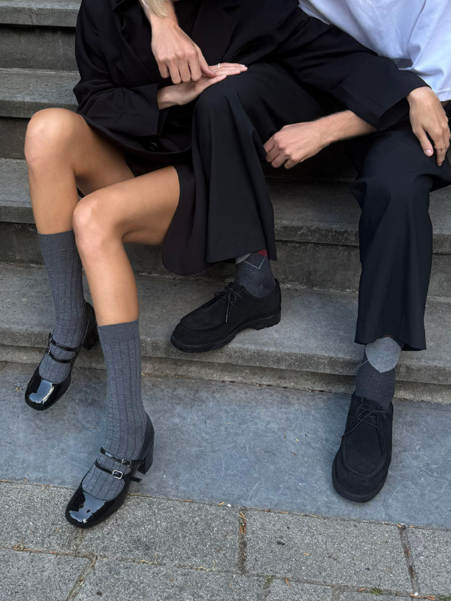
Colored sheer leg coverings offer a different, but equally impactful, opportunity. A deep, rich shade like charcoal gray or forest green can be a sophisticated alternative to basic black, adding a depth of color that subtly complements the other pieces. For a more playful or avant-garde look, a bright, unexpected color can be coordinated with a secondary color in a print dress or a piece of jewelry, creating a cohesive and well-thought-out color story. This intentional use of color shows an appreciation for styling that elevates the garment from a necessity to an artistic choice.
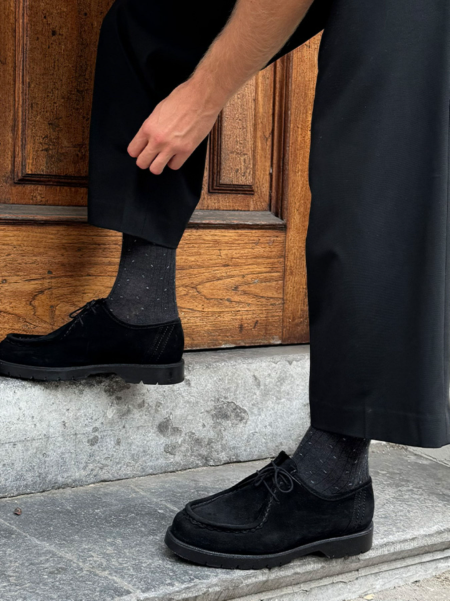
One of the most exciting developments is the pairing of sheer leg coverings with distinctly modern silhouettes and fabrics. Forget the traditional pairing with formal hemlines; this item shines when juxtaposed with relaxed, contemporary pieces. Imagine a very sheer, dark pair worn beneath a crisp, wide-legged short or a structured, A-line mini-skirt, paired with robust ankle boots or platform loafers. The contrast between the delicate material and the heavier, more masculine footwear and apparel creates a dynamic, fashion-forward tension.
Furthermore, they offer a brilliant solution for transitioning summer pieces into cooler seasons. A favorite flowy dress or a light crepe skirt can be given immediate seasonal longevity when layered over a subtly textured sheer covering. This act of layering demonstrates sartorial intelligence and resourcefulness. The item, therefore, acts as a bridge, connecting different styles and seasons, proving its adaptability far beyond its traditional context. The successful incorporation of this versatile garment into a modern wardrobe is less about adhering to rules and more about embracing its transformative power as a creative, deliberate, and detailed element of personal style.